Instant Kitchen and Bath Transformations, No Tools Required
Start Smart: Assess, Measure, and Match Without Wrenches
Fixtures You Can Change Barehanded

Clip-On Showerheads and Filtered Handsets
Magnetic and Twist-Lock Faucet Aerators
Trim Plates and Decorative Caps That Cover Gaps
Covers That Cheat the Eye
Peel-and-Stick Backsplashes That Resist Steam
Choose vinyls rated for high humidity and intermittent heat near ranges, pairing them with corner guards to prevent peeling. Plan vertical seams away from direct spray. Use a felt squeegee and warm air to relax material, then roll edges firmly for longevity.
Counter Films That Survive Cutting Boards and Coffee
Counter films endure daily coffee spills and sliding cutting boards when applied over cleaned, lightly abraded surfaces. Avoid placing hot pans directly on film, and use trivets. Rounded inside corners and hidden seams near appliances make transformations look convincingly permanent and premium.
Cabinet Wraps, Edge Guards, and Handle Skins
Cabinet wraps refresh whole rooms inexpensively. Remove grime from pulls, then apply handle skins or silicone sliders for a new tactile feel. Edge banding hides wear, while reversible hinge covers modernize fronts. Photograph before-and-after angles to track color perception changes under different bulbs.
Adhesive Science: Primers, Cure Times, and Humidity
Some films bond better after a thin primer that etches clear coats microscopically. Respect cure windows before showering. In humid regions, run exhaust fans longer, crack doors, and use soft cloths rather than abrasive pads to protect finishes and gaskets.
Slip, Mold, and Heat Considerations in Wet Zones
In wet zones, prioritize textured strips for anti-slip, silicone-sealed edges near tubs, and mildew-resistant materials. Avoid blocking weep holes. Heat sources like kettles or radiators can stress adhesives; include small thermal breaks, and monitor first week performance before heavy scrubbing.
Maintenance Routines That Keep Everything Fresh
A weekly routine extends life: quick rinse, neutral cleaner, gentle dry, and a monthly detail for edges and seams. Replace inexpensive gaskets annually. Keep a small repair kit with alcohol wipes, a mini roller, spare tabs, and color-matched touch-up pens.
Budget, Time, and Eco Benefits
Real Costs Compared to Traditional Renovations
Expect serious savings when you avoid contractor minimums and permit delays. Bundle fixtures and films during seasonal sales, and focus first on high-visibility surfaces for outsized impact. Keep a contingency fund for unexpected repairs or replacing a stubborn piece that will not bond.
One-Weekend Schedule for Maximum Impact
Map a realistic, calm weekend: Friday night prep, Saturday installs, Sunday curing and cleanup. Schedule no-shower windows after adhesive work. Capture progress photos to stay motivated and to ask the community for guidance if any edges lift or seams misbehave.
Stories from Real Homes
01
A Renter’s Kitchen That Went From Dull to Delightful by Sunset
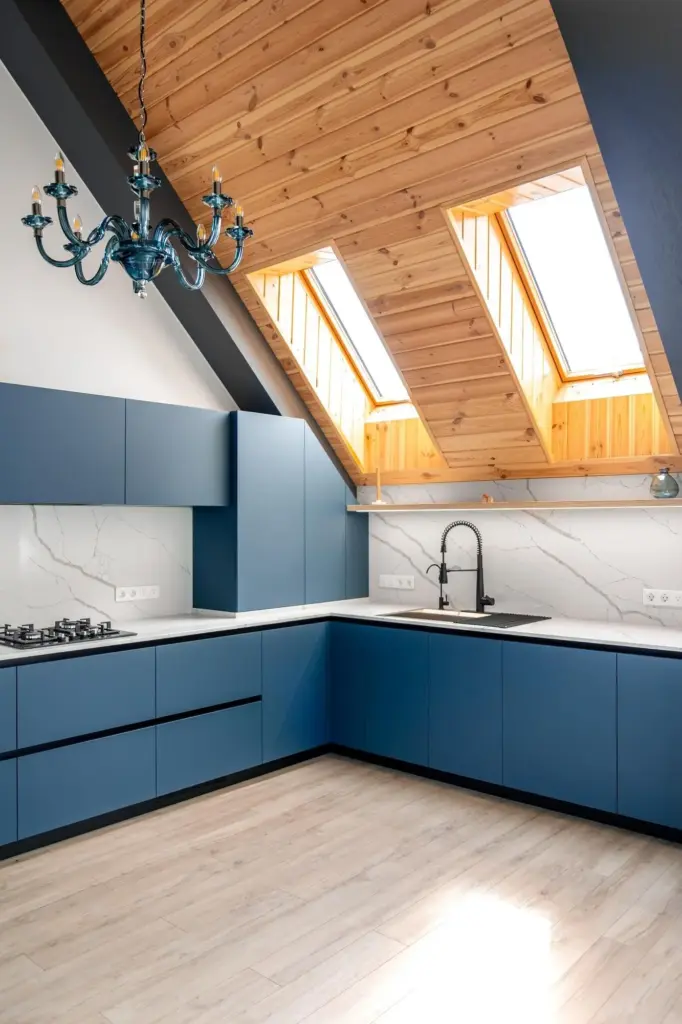
One reader started at noon with degreasing, then wrapped cabinets, swapped an aerator, and installed a magnetic spray head before sunset. Returning keys months later, the landlord praised cleanliness, and the deposit returned in full. Photos confirmed zero residue or discoloration.
02
A Small Condo Bath Made Hotel-Calm Without Drills
A compact bath gained calm by replacing a fixed showerhead with a clip-on handheld and adding stone-look wall panels behind the vanity. The light felt warmer after swapping glossy chrome for brushed nickel caps. A renter reported quieter mornings and easier cleaning.
03
Community Tips: Mistakes We Avoided and What We’d Do Again
We crowdsource mistakes worth avoiding: skipping surface scuffing on ultra-gloss lacquers, stretching films aggressively near outlets, and neglecting anti-slip strips in shower niches. Future plans include experimenting with recycled-content wraps and evaluating long-term yellowing under strong afternoon sun in bright kitchens.