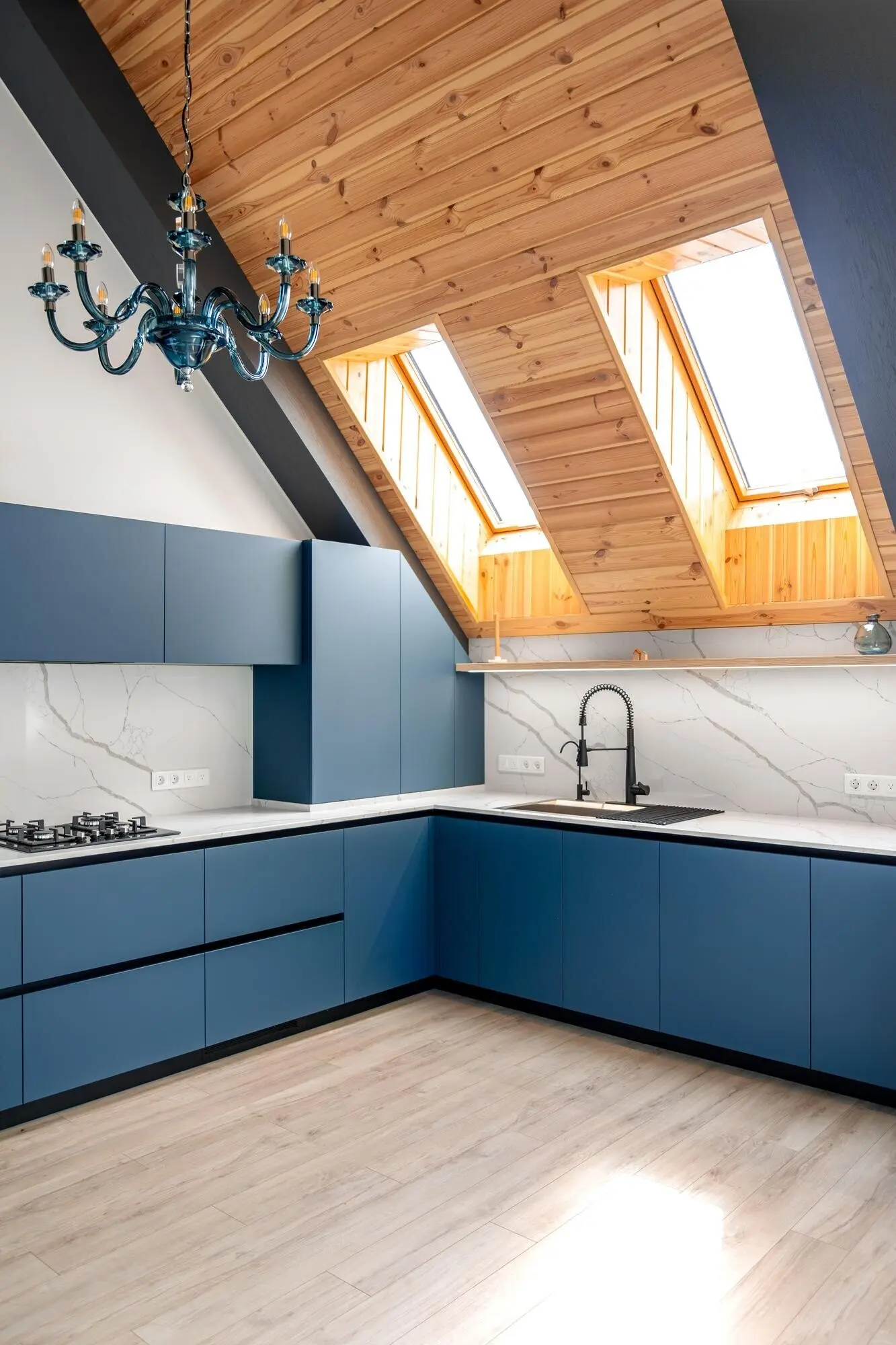
Stick, Smooth, Transform in a Weekend

Today we dive into peel-and-stick solutions for instant room refreshes, sharing real-world tips on surfaces, tools, materials, installation, and care so your makeover feels fast, fearless, and renter-friendly. Expect practical checklists, honest anecdotes, budget insights, and creative prompts you can try tonight.

Start Strong: Prep, Tools, and Surface Readiness

A flawless result begins long before the backing paper comes off. Proper prep turns a quick idea into a lasting finish, minimizing bubbles, lifting corners, and frustrating do-overs. Learn which paints cure best, how to clean thoroughly, and the simple hand tools that keep edges crisp, lines straight, and confidence high.

Know What Will Hold

Smooth, clean, fully cured paint is your best friend. Eggshell or satin finishes often grip beautifully after thirty days, while chalky, dusty, or textured walls can cause early failure. Avoid heavy orange peel, brick, or raw plaster unless skim-coated and primed. Always test a sample square for adhesion, stain transfer, and safe removal.

Clean Like a Pro

Residue is the hidden enemy of good adhesion. Degrease kitchen areas, rinse thoroughly, allow complete drying, and finish with an isopropyl alcohol wipe to lift invisible film. Remove silicone splatters, fill nail holes, sand smooth ridges, and prime repairs uniformly. A few extra minutes cleaning can save hours of lifting, reapplying, and trimming later.

Measure Twice, Apply Once

Accurate measurements reduce waste, stress, and awkward seams. Map vertical plumb lines with a level, note ceiling dips, and add overage for trimming at baseboards and crown. Plan pattern alignment around focal points like beds, fireplaces, or mirrors. Dry-fit rolls on the floor to visualize sequence, panel numbering, and cut placement before any backing is peeled.

Wallcoverings and Murals

Large panels instantly create impact, but plan seams carefully. Woven fabric faces feel luxurious and disguise minor wall imperfections, while matte vinyls offer clean, printable surfaces that photograph beautifully. Check pattern repeat, panel numbering, and edge style. Butt-join seams are common; a seam roller and light pressure help achieve nearly invisible transitions across complex designs.

Tiles, Backsplashes, and Metal Looks

Peel-and-stick tiles provide a convincing texture without mortar mess. Rigid options hold truer lines; soft gels add dimensional shine. Degrease thoroughly, confirm heat clearances near ranges, and avoid direct flames. Align faux grout lines with a laser level for crisp geometry. Where edges end, finish with trim strips so corners resist snagging and moisture ingress.

Planks and Wraps for Furniture

Wood-look planks and premium wraps revive tired cabinets, desks, and doors in a single evening. Use a felt squeegee and a heat gun on low to relax films over curves, then trim with a sharp blade. Wrap edges instead of stopping on corners to resist lifting. Always test on a hidden area to confirm safe removal.

Application Mastery

Great technique turns manageable materials into impeccable finishes. Work methodically: hinge panels with painter’s tape, peel small sections, and squeegee outward in overlapping strokes. Relieve tension cuts at obstacles, trim with fresh blades, and respect the material’s memory—avoid overstretching. Slow, calm progress beats rushing, especially around alcoves, ceiling lines, inside corners, and deep window returns.

Durability, Care, and Safe Removal

Most adhesives reach dependable strength within 24–48 hours, so handle edges gently at first. Clean with a soft cloth and mild soap, never abrasives. In high-splash zones, spot-test cleaners and seal edges where needed. When removal day arrives, warm gently, peel low and slow, and roll residue away with citrus-safe adhesive remover for spotless walls.

Design Moves with Big Impact

Small, strategic gestures can transform how a space feels in minutes. Accent one wall to reshape perspective, wrap a door for a tailored entrance, or line a bookcase for unexpected depth. Mix matte and metallic finishes, scale patterns wisely, and harness color psychology. Always mock up placement with painter’s tape before committing to cuts.

A Studio Reimagined in One Afternoon

Picture a renter mapping a plumb line at lunch, then installing a moody mural behind the bed before dinner. A wood-look wrap calms a scratched closet door, while subtle stripe panels define a workspace. Everything is removable, affordable, and landlord-friendly, yet the space gains personality, focus, and warmth without a single paint tray or drill.

Rental-Friendly Switch-Ups

Opt for finishes that promise residue-free release and respect existing paint. Frame panels with trim for a built-in look that still lifts cleanly. Use reversible wraps on cabinets, islands, and even fridges. Keep samples and product specs on file for lease reviews. Seasonal swaps become guilt-free rituals instead of high-stakes negotiations with deposits on the line.

Color, Scale, and Light

Oversized prints dramatize feature walls, while small motifs calm narrow hallways. Cool hues recede, enlarging tight corners; warm tones gather coziness around seating zones. Metallic accents bounce light into dim rooms, especially near lamps and window reveals. When daylight shifts, so does mood—test placement throughout the day to ensure harmony from sunrise to twilight.

Plan, Budget, and Engage

Good planning protects time, money, and nerves. Calculate square footage carefully, add ten to fifteen percent for waste, and compare product specs honestly—adhesive strength, removability, thickness, and finish. Sample before buying big. Choose low-VOC inks, thoughtful packaging, and recycled cores where possible. Share your results, questions, and lessons so everyone refreshes smarter together.
Renotexozerenozu
Privacy Overview

This website uses cookies so that we can provide you with the best user experience possible. Cookie information is stored in your browser and performs functions such as recognising you when you return to our website and helping our team to understand which sections of the website you find most interesting and useful.